How to Sell a Flood-Damaged Home
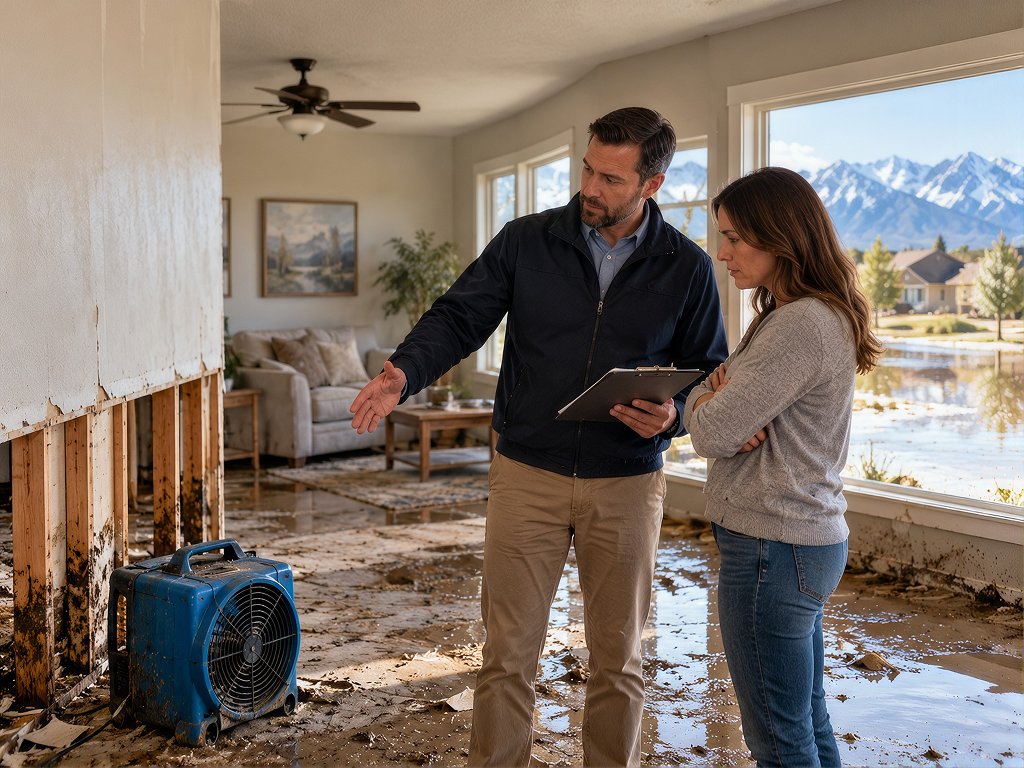
You can sell a flood-damaged home as-is, after repairs, or to a cash buyer. Start by making the home safe, filing your insurance claim, and documenting the damage. Then learn what repairs would cost, check whether local officials consider the home “substantially damaged,” and decide whether to repair and list or sell as-is. Disclose what you know either way.
Step 1: Safety and Insurance First
- Make the home safe. Water-damaged electrical systems are a serious hazard. A licensed electrician or inspector should check before anyone restores power.
- Notify your insurer early. Ask what your policy covers. Flood damage often requires a separate flood policy, so find out what you have.
- Document everything. Take photos and video, keep receipts and write down every conversation.
- Talk before you rebuild. Insurers and, where applicable, FEMA adjusters should see the damage before demolition or major work.
Step 2: Dry-Out and Mold
Moisture and mold are common after floods. Drying the structure, removing damaged materials and assessing mold are usually part of the process before repairs. Mold coverage depends on the policy language and the facts, so ask your insurer.
Step 3: Know the FEMA 50% Rule
Under the National Flood Insurance Program, a structure is “substantially damaged” if the cost of restoring it equals or exceeds 50 percent of its pre-damage market value. FEMA says local officials make that determination, not FEMA. If your home is substantially damaged and located in a floodplain, rebuilding generally has to meet current floodplain requirements, which can add cost. Ask your local building or floodplain office what applies to your address.
Step 4: Decide How to Sell
|
Option |
Can make sense when |
Watch out for |
|
Repair, then list |
Damage is limited and insurance covers repairs |
Contractor delays, cost overruns, carrying costs |
|
List as-is with an agent |
You want market exposure |
Fewer financed buyers for damaged homes, plus agent fees |
|
Sell as-is to a cash buyer |
You want a simple sale with no repairs |
Offers are usually below open-market value, per Bankrate |
A Utah agent told KSL that a damaged home is likely to go to an investor with cash because financing is hard on a home in its current condition.
Disclosure
Utah has no statute spelling out a full disclosure rule, but case law requires sellers to disclose known material defects that a reasonable inspection would not reveal. Past flooding, water intrusion, mold and repairs are the kinds of facts a buyer would want to know. Keep records of the damage and any repairs. Nevada sellers face a stricter written disclosure form (see our guide on selling your house fast in Mesquite, Nevada). Be honest, and see an attorney if unsure.
Mistakes to Avoid
- Covering up damage with cosmetic fixes
- Starting repairs before the insurer has seen the damage
- Ignoring mold
- Accepting the first offer without comparing
- Skipping written terms
Related Guides
- How to sell a house in poor condition
- How to sell a fire-damaged home in Utah
- How to get a fair cash offer on your Utah home
This is general information, not legal or insurance advice.
Where Scout Peak Home Buyers Fits
Scout Peak Home Buyers is a local, Utah-based company that buys houses for cash in any condition and completely as-is. Sellers do not pay agent fees or closing costs, and they choose the closing date. The company can close without bank approvals or inspections, which matters when a damaged home would struggle through a buyer’s loan process. See its page on how to sell a house in any condition in Utah.
Ready to See Your Options?
You can sell your house in Utah by sharing a few details with Scout Peak Home Buyers. Compare the offer with repairing and listing.
Moving Forward After a Flood
Secure the home, work with your insurer, learn the repair costs, and compare repairing and listing with an as-is sale.
Frequently Asked Questions
Yes. You can sell as-is, after repairs, or to a cash buyer.
Notify your insurer right away and ask what your policy covers before starting permanent repairs.
A structure is substantially damaged if restoring it would cost 50 percent or more of its pre-damage market value. Local officials make the determination.
In Utah, known material defects that a reasonable inspection would not reveal should be disclosed under case law. Ask an attorney about your situation.
Usually not. Bankrate notes cash buyers typically offer less than the open market.
 (435) 375-4170
